Breaking News



Popular News





Enter your email address below and subscribe to our newsletter
 By Prashant Singla
Mr. Verma works in export department in a reputed production company. He has been working there for seven years. Mr. Verma planned to buy a new car few days ago so he started visiting car showrooms. He was very confident of getting finance facility from all prominent banks as he earns handsome salary. The model was finalized and Mr. Verma submitted all his documents to the bank to get the car financed. Everything going fine turned miserable by a phone call from the bank informing Mr. Verma about rejection of his loan application. The bank rejected Mr. Verma’s loan application on the basis of negative CIBIL rating. Probably Mr. Verma heard about CIBIL first time when his loan was denied. There are thousands of people like Mr. Verma who carry negative CIBIL score and they become aware of it when their loan is rejected. In this post we will know what CIBIL is and how it can impact possibilities of availing any credit facility from any financial institution.
The Credit Information Bureau (India) Limited, better known as CIBIL, is a premier agency for providing credit reports and scores pertaining to individuals. CIBIL sources financial data of individuals such as loan and credit card information from leading banks and other financial institutions in India. This data is then presented in the form of a CIBIL credit report, also known as a Credit Information Report (CIR). CIBIL was incorporated in 2000 and has continued to expand its presence throughout the country. It is backed by TransUnion International and Dun and Bradstreet, which are major global credit bureaus and agencies.
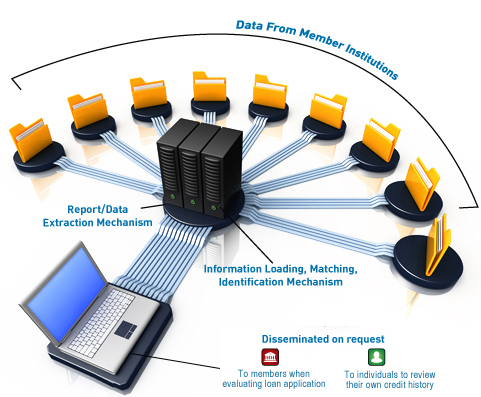
CIBIL reports are generated on monthly basis and are updated on centralized system which can be accessed by all members through login id. CIBIL score is a numerical score of an individual which represents the credit worthiness of the individual. It includes all the details of the credit that you have acquired throughout the years. It also shows how much credit you have taken and how you have repaid it. It will also show if you have missed making any payments or if you have settled any loan. It contains your debt and repayment history along with all your relevant details.
CIBIL scores are calculated on the basis of at least 6 months of historical financial data of an individual. The data is fed into an algorithm with 258 different variables; each with a different weightage. The other credit rating agencies are Experian and Crif Highmark. All the agencies are approved by the Reserve Bank of India and offer credit report services to the banks and the other financial institutions.
What is a CIBIL Score?
A CIBIL Score is a numeric summary of credit history that is calculated based on the following factors:
Previous Settlements, Defaults, Write-offs
Loans as Proportion of Income
Secured Loans vs. Unsecured Loans and credit cards
Loan Equities
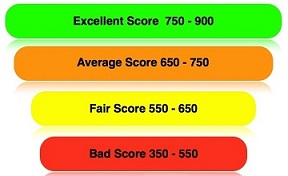
A CIBIL score can range from 300 to 900 with 300 being the bottom end and 900 being the best score possible. Here is what your score could mean.

Things that positively affect your credit score
Things that negatively affect your credit score
Advantages of maintaining good credit score
Thus, maintaining a good credit score will always make your loan or any credit application fast processed by banks. People who ignore good credit ratings understand its importance when they are denied loan for any purpose from the bank and in such scenario, the applicant has to face various obstacles for availing the loan.