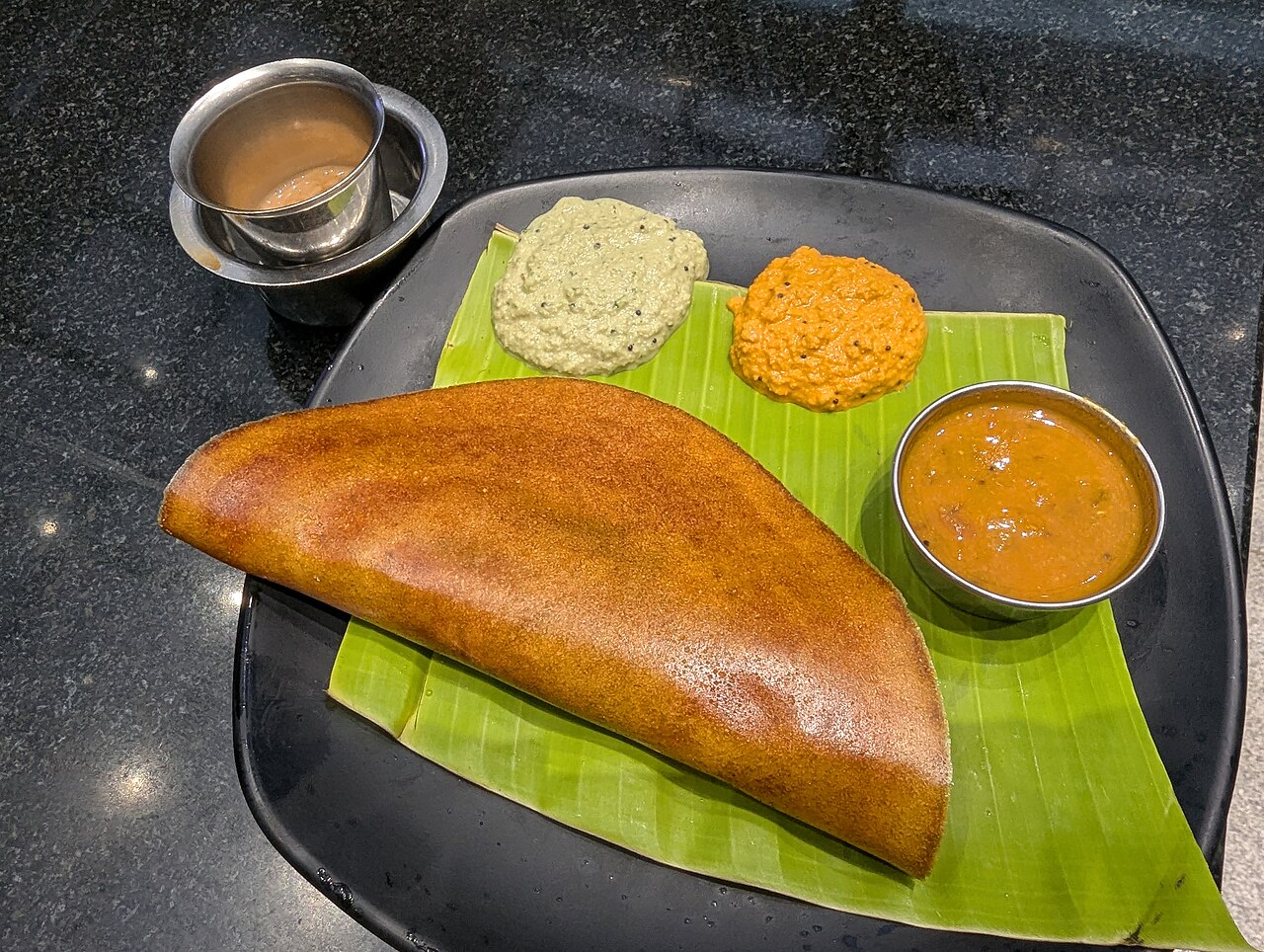
Dosa is one of those dishes that feels both simple and special at the same time. Made from a fermented batter of rice and lentils, this South Indian staple is known for its crisp texture, light tang, and incredible versatility. From the classic masala dosa filled with spiced potatoes to paper-thin versions served with chutney and sambar, dosa has steadily built a loyal fan base far beyond India.Now, it is also gaining global recognition. TasteAtlas has released its May 2026 list of the 50 best pancakes in the world, and dosa, in its many forms, has made a strong mark. Masala dosa ranks sixth with a 4.3-star rating, making it one of the highest-ranked savoury pancakes on the list. Dosa as a category appears at number 15 with a 4.2 rating, while the ultra-crispy paper dosa secures the 35th spot with a 4.1 rating.
This is a significant moment for Indian cuisine, especially since pancakes are often associated with sweet dishes in many parts of the world. Dosa stands out for being savoury, fermented, and flavour-packed, offering a distinctly different experience from the typical pancake.
Top 5 Pancakes Globally In TasteAtlas Best Pancakes List 2026
A closer look at the top five reveals a mix of comfort classics and popular street foods from across the globe. At number one is Latvia's kartupelu pankukas with a 4.4 rating. Crepes sucrees from France share the same score at number two. At number three, classic French crepes hold a 4.3 rating. Nutella crepes from France also score 4.3, taking the fourth spot, while China's jianbing rounds off the top five with a 4.3 rating.
Take a look at the full list of the world's top 50 pancakes below.









 By admin






Leave a ReplyCancel Reply