Breaking News




Popular News





Enter your email address below and subscribe to our newsletter
 By Mohit Kumar Nirwan
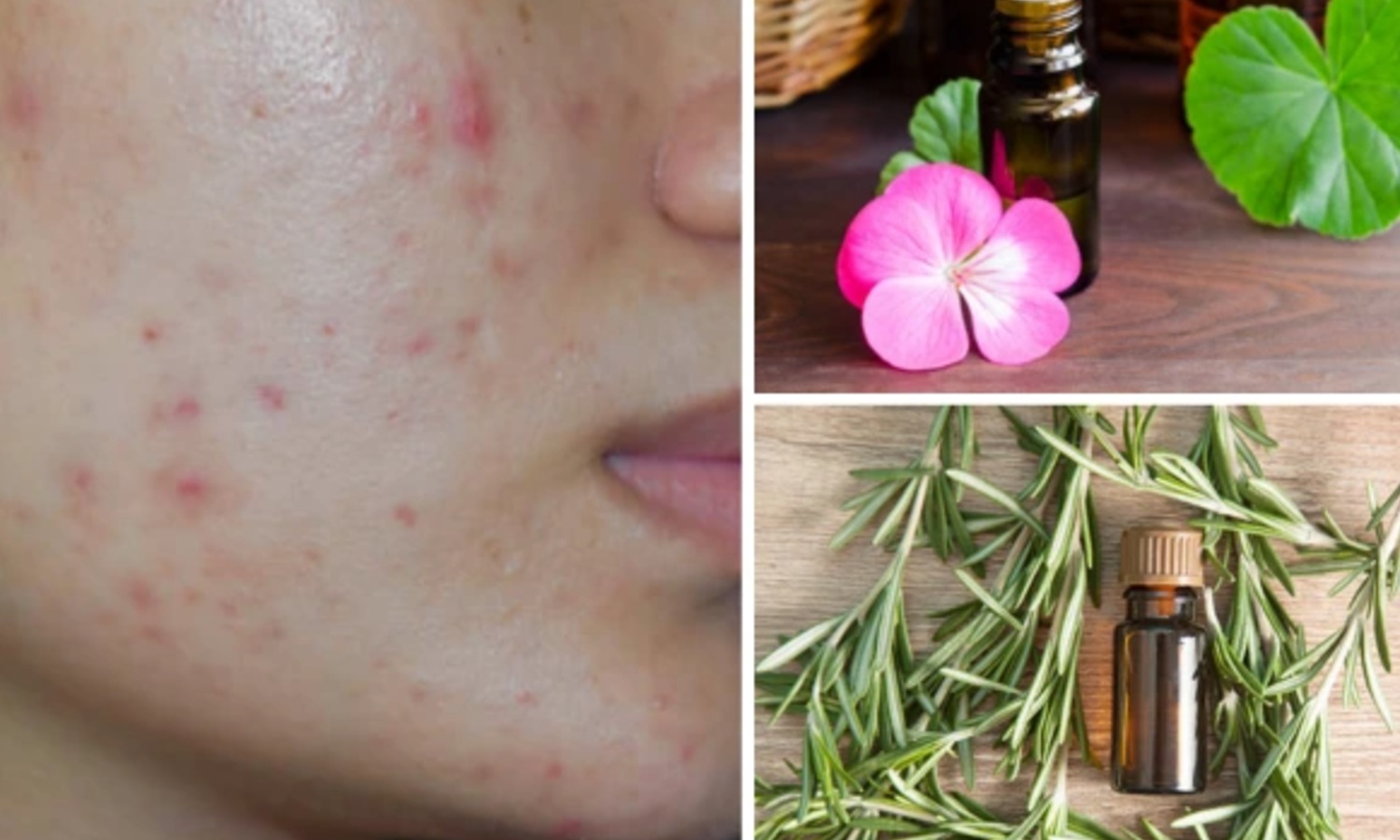
If you’re struggling with acne and feel like you’ve already tried everything, you’re not alone. Essential oils are often recommended as natural acne remedies—but if you have acne-prone skin, the thought of putting any kind of oil on your face can be scary.
Will it clog pores? Make things worse? Or actually help?
The truth is: some essential oils are incredibly effective for acne, but only when used in the right way.
They contain powerful plant compounds with antibacterial, anti-inflammatory, and healing properties—without the harsh chemicals found in many products.
But you must be careful with how you apply them, how much you use, and which carrier oils you mix them with (not all are acne-friendly).
In this post, I have gathered the best essential oils for acne, why they work, and exactly how to use them safely—no pore-clogging, no confusion, just gentle and effective.
Now lets start with the essential oils :
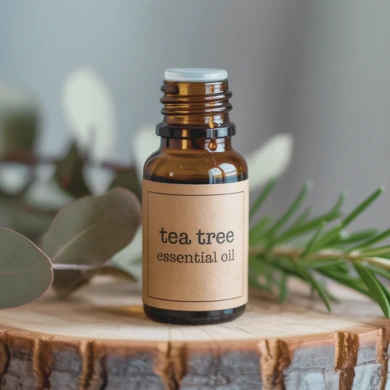
Tea tree oil is one of the most popular essential oil for acne, and for good reason. It has powerful antibacterial, antifungal, and anti-inflammatory properties that directly target the acne bacteria, one of the root causes of breakouts.
Studies have shown that tea tree oil can be as effective as benzoyl peroxide, but with fewer side effects like peeling or redness.
It also helps dry out whiteheads, unclog pores, and reduce swelling around active pimples. However, it’s also potent — so dilution is absolutely essential, especially for sensitive or reactive skin types.
How to Use it Safely for Acne :
1. Spot Treatment :
2. Add to Clay Mask (Once a Week):
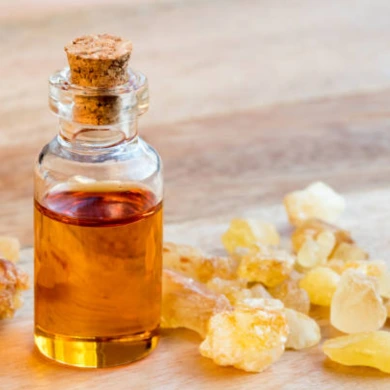
Frankincense essential oil is a perfect choice if your acne comes with hyperpigmentation, textured scars, or skin that takes a long time to heal.
It’s not a fast-acting breakout blaster like tea tree, but more of a long-term healer. It is rich in anti-inflammatory and regenerative compounds, it helps to reduce post-acne marks, supports new cell growth, and evens out your overall complexion.
It also strengthens the skin barrier and reduces inflammation, which makes future breakouts less intense.
It’s gentle enough for daily use when diluted properly and blends beautifully with other calming oils.
How to Use it Safely for Acne :
1. Post-Acne Healing Serum :
2. Add to Aloe Vera Gel:
Mix 1 drop frankincense oil into a coin -sized amount of aloe vera gel and apply as a light night treatment to fade scars.
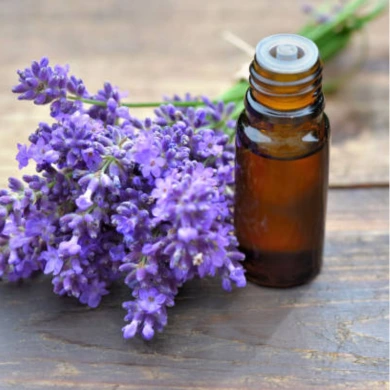
Lavender oil is gentle, soothing, and perfect for calming inflamed acne and sensitive skin. It has natural antimicrobial and anti-inflammatory properties, which help to reduce redness, swelling, and the temptation to pick or squeeze pimples.
Lavender essential oil also promotes skin healing and regeneration, which means it can help fade acne scars over time. Its calming scent is a bonus, it can ease stress.
Unlike tea tree oil, lavender oil is less drying, making it ideal for people with sensitive, dry or combination skin.
How to Use It Safely for Acne :
Calming Bedtime Serum:
Steam Facial Add-On:
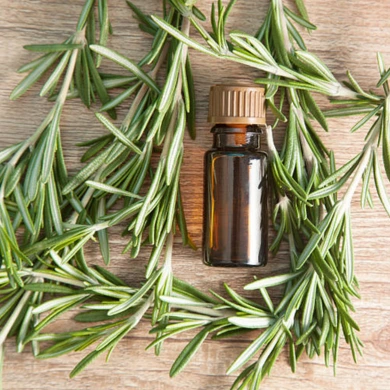
Rosemary essential oil is a multitasker for oily, acne-prone skin. It is known for its ability to reduce excess sebum production, one of the main cause for clogged pores and breakouts.
It also has antibacterial properties, which help to fight acne-causing bacteria on the skin’s surface.
Rosemary oil improves blood circulation and tones the skin, which helps heal active pimples faster and tighten enlarged pores over time.
It is especially useful if your acne tends to appear alongside oily skin and large pores.
How to Use It Safely for Acne :
Diy Toner :
Lightweight Serum :
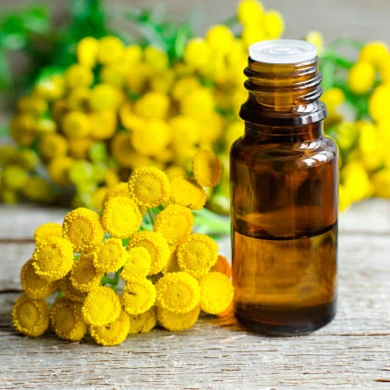
Blue tansy is ideal for skin that feels inflamed, sensitive, or irritated due to breakouts, especially cystic acne. It contains a compound called chamazulene, which gives it its signature deep blue color and provides powerful anti-inflammatory effects.
This oil is especially helpful for reducing redness and calming down those deeper, painful blemishes that don’t respond well to harsh treatments.
Blue tansy also supports skin barrier repair, which is important for anyone dealing with frequent acne and sensitivity. It’s highly concentrated, so just one drop is enough per application.
Also, Blue tansy flowers are yellow, but their oil turns blue during extraction, thanks to chamazulene (a natural compound that gives blue tansy essential oil its deep blue color).
How to Use it Safely for Acne :
Facial Oil :
Cooling Aloe Gel :

Geranium essential oil is often overlooked, but it’s a gentle and effective choice for acne-prone skin, especially if your breakouts are tied to oil imbalance or stress.
This essential oil helps to regulate sebum production, preventing pores from getting clogged while also calming down active flare-ups.
It also has antibacterial properties, so it can reduce acne-causing bacteria, and over time it promotes skin repair and can help fade dark spots left behind by old breakouts.
Its floral, earthy scent adds a mild aromatherapy benefit, which can be soothing for both the skin and the mind.
How to Use it Safely for Acne :
Balancing Face Oil:
Soothing Facial Mist:
Essential oils, when used with care and the right carrier oils, can help calm irritation, reduce breakouts, and support your skin’s natural healing.
Everyone’s skin is different, so it’s always okay to start small and see what works best for you. With a little consistency and patience, these gentle blends might become a quiet but effective part of your skincare routine.