Breaking News




Popular News





Enter your email address below and subscribe to our newsletter
 By Mohit Kumar Nirwan
When infected, individuals usually develop symptoms within 1 to 4 days. The clinical presentation is very similar to standard seasonal flu, ranging from mild discomfort to severe respiratory illness:
Sudden high fever and chills
Persistent cough and sore throat
Body aches, joint pain, and severe headaches
Fatigue and general weakness
Nasal congestion or a runny nose
Occasional vomiting or diarrhea (more common in children than adults)
H1N1 is highly contagious and spreads primarily through respiratory droplets. When an infected person coughs, sneezes, or talks, micro-droplets containing the virus are sprayed into the air and can be inhaled by people nearby (typically within 6 feet).
Additionally, the virus can land on everyday surfaces like door handles, phones, and countertops. If a person touches a contaminated surface and then touches their eyes, nose, or mouth, the virus can enter their system. An infected adult can transmit the virus starting one day before symptoms appear and up to seven days after becoming sick.
For most healthy individuals, H1N1 resolves on its own within a week or two. Basic supportive care includes:
Rest and Hydration: Getting ample sleep and drinking plenty of fluids (water, clear broths, electrolyte solutions) to prevent dehydration.
Symptom Relief: Over-the-counter medications like acetaminophen or ibuprofen to manage fever and body aches. (Note: Aspirin should never be given to children or teenagers with flu symptoms due to the risk of Reye's syndrome).
Antiviral Medications: For high-risk individuals—such as pregnant women, young children, the elderly, or people with chronic health conditions like asthma or diabetes—doctors may prescribe antiviral drugs like oseltamivir (Tamiflu) or zanamivir (Relenza). These work best when started within 48 hours of symptom onset to shorten the duration and severity of the illness.
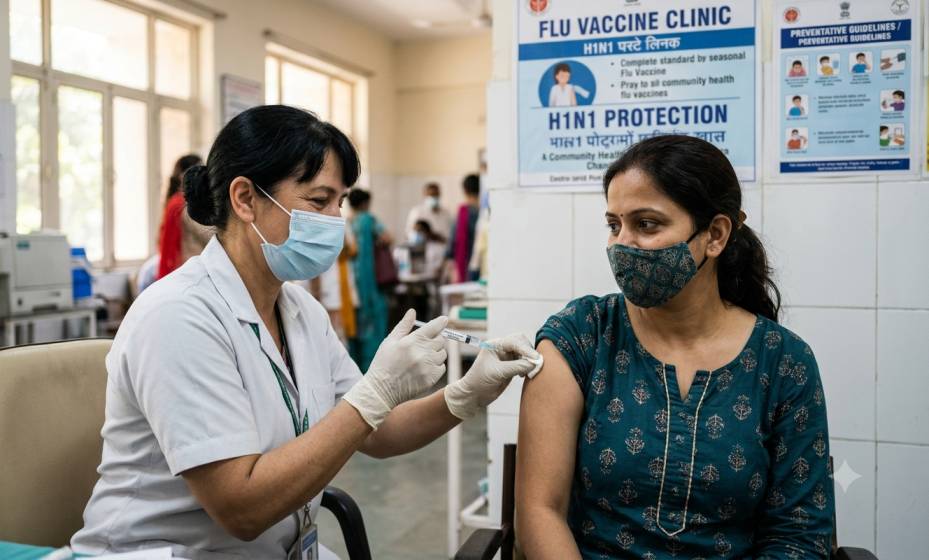
The most effective way to protect against H1N1 is through vaccination. Standard annual flu vaccines (both quadrivalent and trivalent shots) include protection against the current circulating strains of the H1N1 virus. Because influenza viruses mutate continuously, getting an updated annual flu shot ensures your immune system stays prepared.
Everyday precautionary measures also significantly reduce the risk of infection:
Hand Hygiene: Wash your hands frequently with soap and water for at least 20 seconds, or use an alcohol-based hand sanitizer.
Cover Coughs and Sneezes: Use a tissue or the inside of your elbow to cover your mouth and nose when coughing or sneezing.
Avoid Touching Your Face: Keep hands away from your eyes, nose, and mouth to block virus entry points.
Stay Home When Sick: Isolate yourself from school, work, and public places until you have been fever-free for at least 24 hours without the use of fever-reducing medicine.
Disinfect Surfaces: Regularly clean high-touch surfaces in homes and workplaces, especially during peak flu season.