Breaking News



Popular News



Enter your email address below and subscribe to our newsletter
 By Pritpal Singh Kang
The rise of e-commerce has transformed the Indian retail
industry. With smartphones, digital payments, doorstep delivery and online
marketplaces becoming part of everyday life, consumers can now purchase almost
anything without visiting a physical store. This rapid digital transformation
has led many people to question the future of traditional brick-and-mortar
retail stores in India.
However, physical retail is far from disappearing. Instead,
it is evolving. India's large and diverse population, growing middle class,
expanding cities, strong local markets and preference for personal interaction
continue to create opportunities for physical stores. The future is likely to
belong not to offline or online retail alone, but to businesses that
successfully combine both.
Changing Consumer Expectations
Indian consumers are becoming more informed and demanding.
Before purchasing a product, customers often compare prices, features, reviews
and brands online. At the same time, many still prefer visiting a store before
making important purchases.
This is particularly true for products such as air
conditioners, refrigerators, washing machines, televisions, furniture, kitchen
appliances and other high-value goods. Customers want to see the product,
understand its features, ask questions and sometimes negotiate the price before
buying.
Physical retailers therefore have an important advantage: human
interaction and product experience. A knowledgeable salesperson can
understand a customer's requirements and recommend an appropriate product. This
personal relationship can create trust that an online shopping page may not
always provide.
The Rise of Omnichannel Retail
One of the biggest opportunities for brick-and-mortar
retailers is the adoption of an omnichannel business model. Instead of
treating online and offline sales as competitors, retailers can use both
channels together.
A customer may discover a product on Instagram, Facebook,
Google or a retailer's website and then visit the physical store to inspect it.
Another customer may visit the store,
compare products and later place the order through WhatsApp or the retailer's
website.
Retailers can also use digital catalogs, QR codes, WhatsApp
ordering, online payments and home delivery to make the physical-store
experience more convenient. In this model, the store becomes more than a place
where products are displayed; it becomes a central point connecting digital
marketing, sales, customer service and delivery.
Technology Will Transform Physical Stores
Technology will play a major role in the future of
brick-and-mortar retail. Modern retailers can use billing software, inventory
management systems, customer databases, digital payment systems and analytics
to operate more efficiently.
Artificial intelligence can help retailers understand
purchasing patterns and recommend products. Digital screens can display product
information and promotional offers. QR codes can provide specifications,
demonstrations, warranty information and comparison options.
Even small retailers can benefit from relatively affordable
technologies. A smartphone, WhatsApp Business account, digital payment system,
Google Business Profile and social media presence can significantly increase a
store's visibility.
Technology will therefore not necessarily replace the
traditional retailer. Instead, it can make the retailer faster, more informed
and more competitive.
The Importance of Trust and Relationships
One of the strongest advantages of Indian physical retail is
the relationship between customers and shopkeepers. In many cities and towns,
customers return to the same retailer for years because they trust the
business.
For appliances and household products, customers may need
installation, warranty assistance, servicing, replacement parts, or advice
after the purchase. A local retailer who remains available after the sale can
provide significant value.
This is especially important in smaller cities and semi-urban
markets, where personal relationships and local reputation remain powerful
factors in purchasing decisions.
The retailers of the future will therefore need to focus not
only on selling products but also on building long-term customer relationships.
Experience Will Become a Competitive Advantage
Online stores offer convenience and variety, but physical
stores can offer something different: experience.
A well-designed retail showroom can allow customers to touch,
test, compare and understand products. For example, a home and kitchen
appliance store can create demonstration areas where customers can see how
different appliances work.
Retailers can also improve the shopping experience through
attractive displays, knowledgeable staff, comfortable interiors, product
demonstrations, transparent pricing and professional after-sales service.
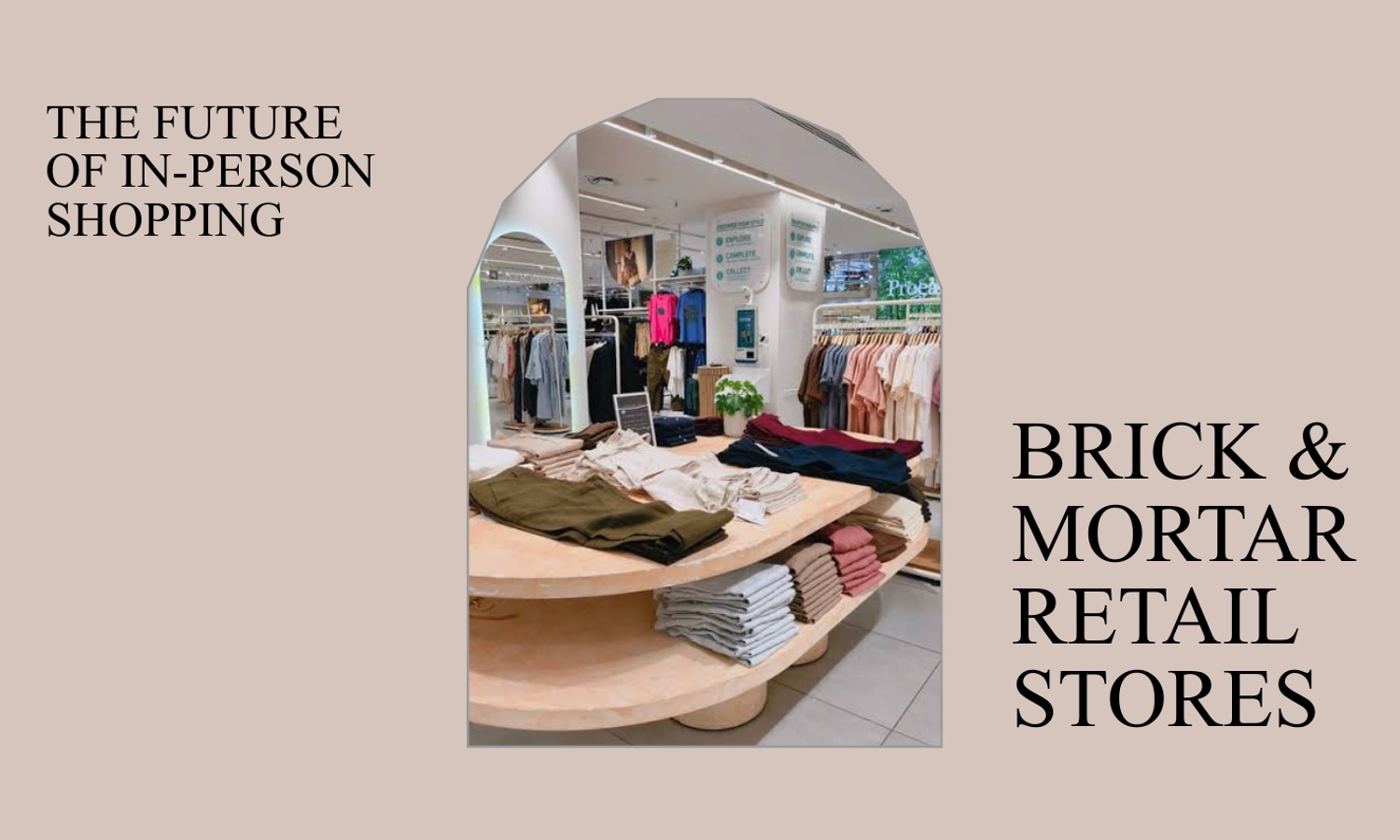
The physical store of the future will increasingly resemble a
showroom and experience center rather than a traditional shop filled with
products.
Opportunities in Tier-2 and Tier-3 Cities
India's retail future is not limited to major metropolitan
cities. Tier-2, Tier-3 and smaller towns are expected to remain important
growth markets.
Rising incomes, better roads, digital connectivity, expanding
housing and increasing consumer awareness are creating demand for branded
consumer products outside India's largest cities.
Local retailers can take advantage of this opportunity
because they understand regional customers better and can provide faster
service. Combining local knowledge with digital marketing can help these
businesses reach customers beyond their immediate neighborhood.
For example, a retailer selling air conditioners, coolers,
washing machines, water purifiers, crockery, kitchen appliances and stationery
can promote its products through social media while continuing to offer
customers the advantage of a physical showroom.
Retail and Wholesale Can Work Together
Another major opportunity is the combination of retail and
wholesale operations. A business that serves individual consumers as well as
institutions, offices, hotels, restaurants, contractors and smaller retailers
can diversify its revenue streams.
Wholesale customers typically look for competitive pricing,
reliable supply, product availability and timely delivery. Retail customers, on
the other hand, may prioritize product experience, service, convenience and
personalized assistance.
A business capable of serving both segments can build a
stronger and more flexible retail model.
Challenges Ahead
Despite these opportunities, brick-and-mortar retailers face
serious challenges. Online marketplaces can offer enormous product selections,
aggressive discounts, convenient delivery and easy price comparison.
Physical stores also face expenses such as rent, electricity,
employee salaries, inventory costs and showroom maintenance. Poor inventory
management can tie up capital in unsold products.
To remain competitive, retailers will need to control costs,
manage inventory carefully, negotiate effectively with suppliers and
differentiate themselves through service and customer experience.
Simply having a physical shop will no longer be enough.
Retailers must continuously improve.
Sustainability and the Future Store
Sustainability is another emerging consideration. Retailers
may increasingly adopt energy-efficient lighting, solar power, environmentally
responsible packaging, electronic billing and efficient delivery systems.
Consumers are also becoming more conscious of product
quality, durability, energy consumption and environmental impact. Retailers
that communicate these benefits clearly can build stronger relationships with
environmentally aware customers.
Conclusion
The future of brick-and-mortar retail stores in India is not
a story of extinction; it is a story of transformation. Physical stores will
continue to play an important role, particularly in categories where customers
value trust, demonstration, advice, installation and after-sales support.
The successful retailer of the future will combine the personal
touch of traditional retail with the speed and convenience of digital commerce.
Physical showrooms, social media, websites, WhatsApp, digital payments, online
catalogs, data-driven inventory management and home delivery can all work
together as parts of one integrated business.
India's retail landscape is therefore moving toward a hybrid
model. The question is no longer whether customers will shop online or offline.
Increasingly, they will do both.
For Indian retailers, the opportunity is clear: embrace
technology without losing the human connection that made local retail
successful in the first place. The stores that understand their customers,
provide genuine products, offer competitive value, create memorable experiences
and remain available after the sale will have a strong place in India's retail
future.
Very informative article, thank you for posting.